Male Eating Disorders
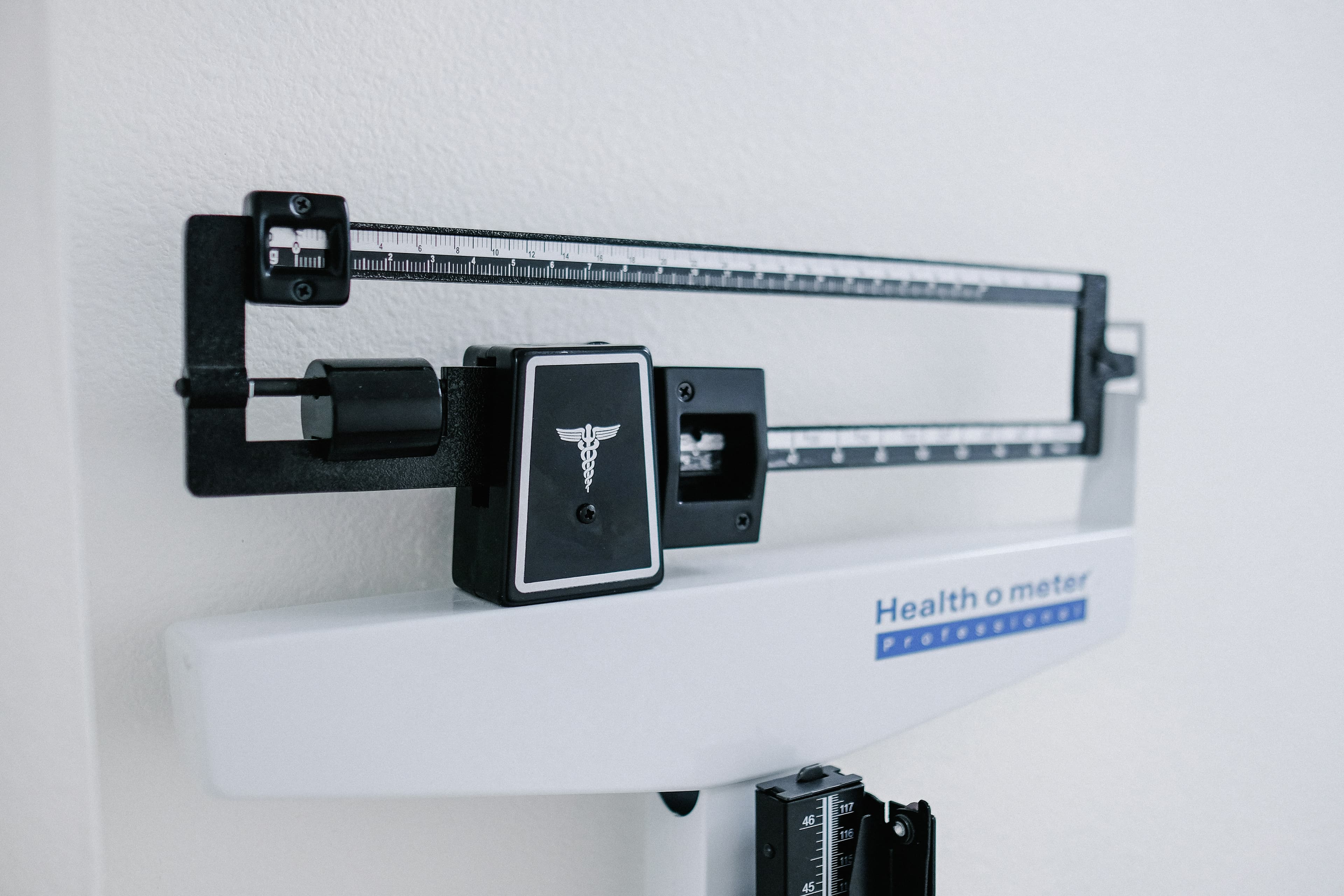
What Does Anorexia and Bulimia Look Like In Men
Eating disorders are often seen as issues that mainly affect women, but thousands of men across the UK live with conditions such as anorexia and bulimia. Because the signs in men are sometimes overlooked or misunderstood, many go without the help they need. Male eating disorder therapy offers a space to address these struggles, build healthier relationships with food and body image, and tackle the emotional roots of disordered eating.
Understanding Eating Disorders in Men
Anorexia and bulimia are serious mental health conditions. They are not about vanity or simply wanting to lose weight. For many men, these disorders develop as ways to cope with deeper feelings of anxiety, low self-esteem, perfectionism or past trauma.
- Anorexia often involves extreme restriction of food, excessive exercise or obsessive control over weight.
- Bulimia usually includes cycles of binge eating followed by behaviours to prevent weight gain, such as vomiting, over-exercising or using laxatives.
In men, eating disorders may also connect to pressures around muscularity, fitness culture or sports performance. This means symptoms can look different compared to women, and may be harder to spot.
Signs of Eating Disorders in Men
Men with anorexia or bulimia might not always recognise the problem. Common signs include:
- Constant preoccupation with food, calories or body weight
- Rigid exercise routines and distress if they are disrupted
- Rapid weight loss or frequent fluctuations in weight
- Hiding food, bingeing in secret or disappearing after meals
- Feelings of guilt or shame around eating
- Physical symptoms such as fatigue, stomach problems or dizziness
Why Men Struggle to Seek Help
Cultural stereotypes often prevent men from reaching out. Eating disorders are still wrongly labelled as “female conditions”, which makes it harder for men to identify with the diagnosis. Shame, stigma and fear of being judged can keep men silent, even when their health is at serious risk.
Recognising that eating disorders do not discriminate by gender is the first step. Male eating disorder therapy creates a safe space where men can talk openly without judgement.
How Male Eating Disorder Therapy Helps
Therapy can provide the tools and support needed to break free from destructive cycles. Working with a male therapist may feel especially helpful because of the shared understanding of the pressures men face. Male eating disorder therapy can help you:
- Explore the emotional roots of anorexia or bulimia
- Challenge unhealthy beliefs about food, control and body image
- Develop healthier coping strategies for stress and self-esteem
- Rebuild confidence in your body and identity beyond appearance
- Work towards balanced eating and improved well-being
Beyond Therapy – Other Sources of Support
Recovery often involves more than just therapy. Depending on your needs, support might also include:
- Medical care to address the physical effects of anorexia or bulimia
- Nutritional guidance to restore healthy eating patterns
- Peer support groups where men can connect and share experiences
- Lifestyle changes such as reducing over-exercise, improving sleep and managing stress
Combining therapy with medical, nutritional and community support increases the chances of long-term recovery.
Finding a Male Therapist for Eating Disorders
At Men’s Therapy Hub, we understand the unique challenges men face with eating disorders like anorexia and bulimia. Our directory makes it easier to find a male therapist who specialises in working with men and understands the specific pressures they experience.
Seeking male eating disorder therapy is not about weakness. It is about giving yourself the chance to heal, reclaim balance and build a healthier relationship with yourself. If you are living with anorexia or bulimia, know that recovery is possible and support is available.
Keep reading
Gen Z Mental Health — Social Media, Therapy and Youth Voice

Counsellor, Psychotherapist, Psychologist, Psychiatrist or Coach – What’s the Difference and Who Should You See?