Redefining Strength in the Inner Community
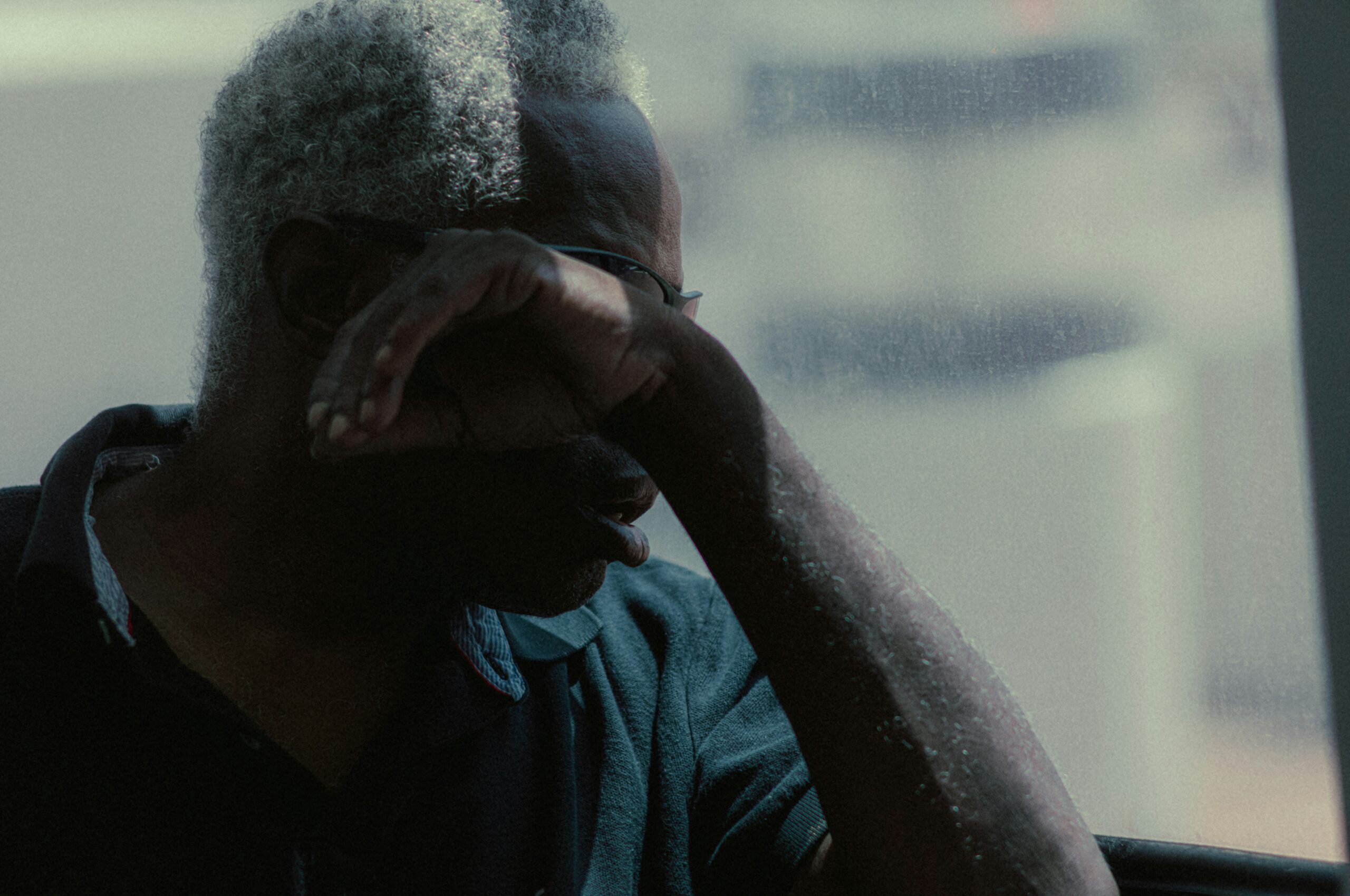
Growing up in the inner community, especially as a Black man, I learned early on that talking about emotions wasn’t encouraged. You were expected to be tough, to hold it down, to never show weakness. Vulnerability was often seen as a threat to survival, not a strength. The message was clear – if you’re struggling, deal with it alone. So many of us did.
I watched men I looked up to – fathers, brothers, friends – carry their pain in silence. With no safe outlet for their emotions, it often came out as anger, aggression or detachment. It wasn’t that these men didn’t feel deeply; they’d just never been shown how to express what was underneath.
Representation Matters in Therapy
As a Black male therapist, I carry that awareness into every room I step into. I know what it’s like to grow up in environments where emotional expression wasn’t encouraged and where trust doesn’t come easily. That’s why this work means more than just providing therapy – it’s about representation and belonging.
It’s about showing that men who look like me can talk about feelings, can heal and can guide others to do the same. It’s about reshaping what strength looks like in our communities and giving men permission to feel without shame.
Redefining Strength and Emotional Awareness
For me, being a positive role model isn’t about being perfect – it’s about being real. Emotional regulation doesn’t make you soft; it makes you grounded. It’s learning to pause before reacting, to speak before lashing out, and to understand what’s truly driving your emotions.
When one man chooses to open up, he gives permission for others to do the same. Change begins with that first honest conversation – the moment someone realises they don’t have to carry it all alone.
Breaking the Silence for Future Generations
As men, especially Black men, we owe it to ourselves and the next generation to break the silence we grew up in. Our emotions are not the enemy. They’re messages asking to be understood. Healing begins when we start listening to those messages and start talking about what they mean.
Reflective Prompts for Readers
- What were you taught about emotions growing up in your community or family?
- How do you usually express anger, frustration or sadness?
- Who could benefit if you started expressing what you really feel rather than holding it in?
About the Author
Anthony Bedward is a Nottingham-based psychotherapist and founder of A2B Therapy, specialising in men’s mental health, trauma and emotional regulation. He writes about Black men’s mental health, breaking silence and modelling healthy masculinity.